 |
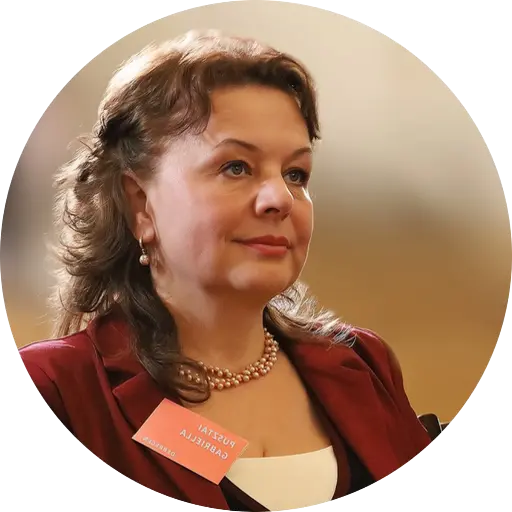
Prof. Dr. Pusztai GabriellaHead of research University professor, head of the institute, head of the doctoral school – University of Debrecen, Faculty of Arts, Institute of Educational Studies and Cultural Management Prof. Dr. Gabriella Pusztai is a Doctor of the Hungarian Academy of Sciences, head of the Doctoral School of Humanities at University of Debrecen and the Center for Higher Educational Research and Development (CHERD-Hungary) at University of Debrecen, and head of the Institute of Educational Studies and Cultural Management. Contact: pusztai.gabriella@arts.unideb.hu Scopus |
|
 |
|
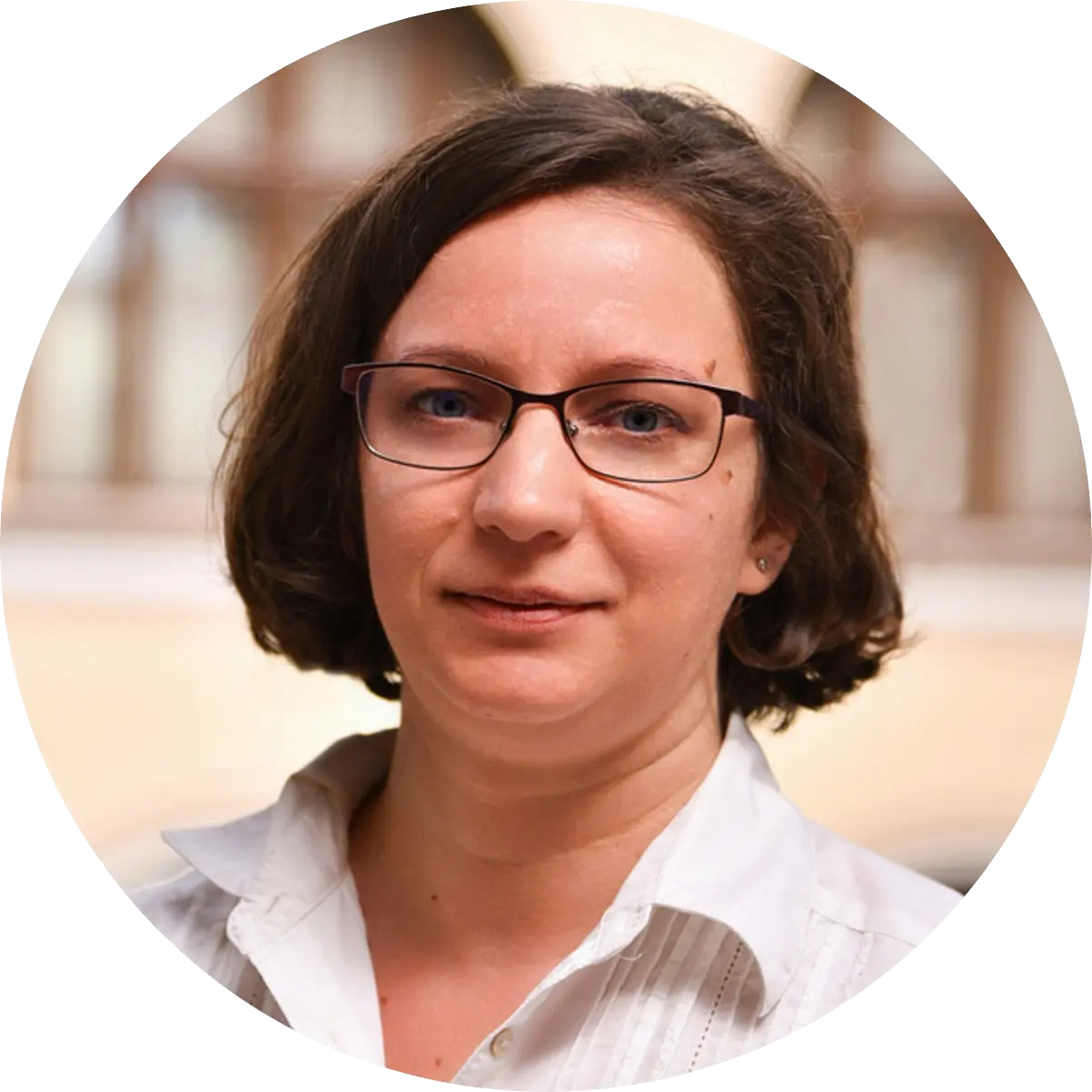
Dr. Bacskai KatinkaHead of future consciousness of students with special educational needs group Senior lecturer – University of Debrecen, Faculty of Humanities, Institute of Educational Studies and Cultural Management; Researcher – Makovecz Campus Foundation Collegium Professorum Hungarorum Katinka Bacskai is a teacher of history and sociology, sociologist, special education teacher, and researcher in education. Her research areas include the effectiveness of teachers who teach students from disadvantaged backgrounds, the education of students with special needs, and cross-sector comparisons. She is the author of 12 Scopus-indexed studies. She is primarily a quantitative researcher, engaged in secondary analysis of national and international databases (OKM, PISA, WVS, etc.). As part of the MTA-DE-Parent-Teacher Cooperation Research Group, she coordinated research related to students with special educational needs. She is currently conducting research on value transmission and examining the emergence of future orientation in intergenerational value transmission. Contact: bacskai.katinka@arts.unideb.hu Scopus |
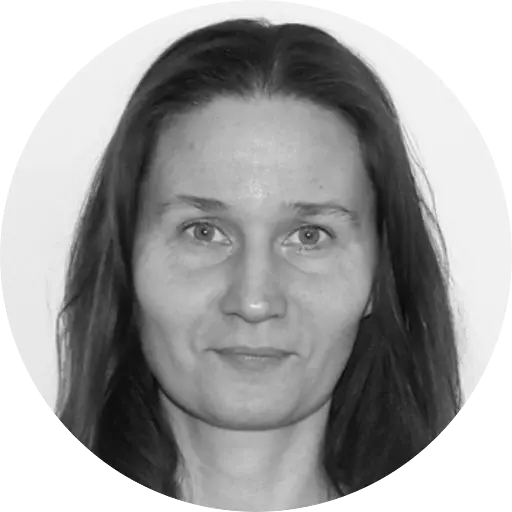 |
Prof. Dr. Bocsi VeronikaHead of Theoretical and Conceptual Module Professor – University of Debrecen, Faculty of Education for Children and Special Educational Needs She graduated as a teacher of history in 2001 and as a sociologist in 2003 from the University of Debrecen, then obtained her doctorate and habilitation in educational sciences. Her research areas are the sociology of education, cultural sociology, and the sociology of lifestyle. Her monograph on the sociology of time (Time on Campus) was published in 2013. She is currently a professor at the Faculty of Education for Children and Special Educational Needs, and she teaches in three doctoral programs. Contact: bocsiv@ped.unideb.hu Scopus |
|
 |
Dr. Ceglédi TímeaLeader of the Fieldwork and Measuring Instrument Development Module Senior lecturer – University of Debrecen, Faculty of Humanities, Institute of Educational Studies and Cultural Management Dr. Tímea Ceglédi is a sociologist (2008), holds a PhD in educational sciences (2018), and is a recipient of the Hungarian Academy of Sciences' Bolyai János Research Scholarship (2022-2025) and the Gazsó Ferenc Memorial Award (2019). Her research focuses on the sociology of resilience. She has extensive experience in the field of educational sociology. She has participated in a total of 42 domestic and international research projects related to public education and higher education on topics such as resilience, parental involvement, life course research, mentoring, family, grounded theory, graduate career tracking, Romani studies, teacher training, social inequalities, inclusion, and talent development programs. She has Scopus-indexed publications and a high number of citations. Together with Prof. Dr. Gabriella Pusztai, she is the initiator and professional coordinator of the Education Research Internship Program (CHERD-ERIP) at the University of Debrecen's Center for Higher Educational Research and Development (CHERD-Hungary). As a supervisor and mentor, she supports students in the Bachelor of Arts (BA) program in pedagogy, the Master of Arts (MA) program in education, teacher training, and doctoral programs in R&D activities. Her work in talent development has been recognized with several awards, including the National Scientific Student Council's Master Teacher Gold Medal (2025) and the Pro Cura Ingenii Award (2025). She is currently a senior lecturer at the University of Debrecen and a senior researcher at the Center for Higher Educational Research and Development (CHERD-Hungary). As the pillar leader of MTA-DE-Parent-Teacher Cooperation Research Group, she coordinated and conducted research and development activities on the topic of parental involvement. In the MTA-DE Development of Future Consciousness Research Group, she examines the social determinants of future consciousness and initiatives that support the career paths of students and teachers. Contact: cegledi.timea@arts.unideb.hu Scopus |
|
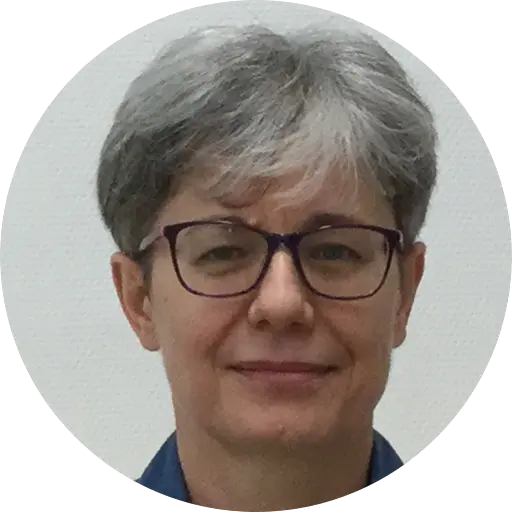 |
Dr. Chrappán MagdolnaHead of the future prospects of newly qualified teachers’ group College associate professor – University of Debrecen, Faculty of Humanities, Institute of Educational Studies and Cultural Management High school teacher specializing in biology, chemistry, and pedagogy (KLTE, 1987), PhD degree from UD DPES, thesis topic: integration of natural science subjects (2000). She worked as a secondary school teacher for 8 years, then in various segments of teacher training, and has been a lecturer at UD since 2000. Her research topics include: curriculum theory, teacher training, science education, school organization. In the MTA-DE-Parent-Teacher Cooperation Research Group, she led the team focused on teacher training. In her current project, she examines the organizational and personal value system of the mentoring process, which forms the backbone of practical teacher training and is a key element in shaping the future orientation of teachers entering the profession and, consequently, the future orientation of students within the school. Contact: chrappan.magdolna@arts.unideb.hu LinkedIn |
|
 |
Dr. Csók CintiaResearch Project- and Partner Relations Coordinator, Scientific Secretary Assistant lecturer – University of Debrecen, Faculty of Humanities, Institute of Educational Studies and Cultural Management Cintia Csók is a lecturer at the University of Debrecen, a researcher at the Center for Higher Educational Research and Development (CHERD-Hungary), and the program secretary of the DSH Doctoral Program on Educational Sciences. As a coordinator, she participates in the "School Supporting Pedagogical Research and Development" program and the work of the Central European Journal of Educational Research. In 2017 and 2019, she won first place at the National Scientific Student Conference, and in 2019, she was awarded the Pro Scientia Gold Medal, the most prestigious student award of the OTDT. She has won first prize at conferences and professional competitions a total of eight times. Her professional work has been recognized with the Dean's Commendation for "Outstanding Social Education Candidate" (2017) and the "Faculty of Humanities Student Certificate of Recognition" (2019). She has received a Republic Scholarship and a National Higher Education Scholarship, and has won several grants through the New National Excellence Program and the Universitas Scholarship. She led two working groups in the MTA-DE-Parent-Teacher Cooperation Research Groupbetween 2021 and 2025. In 2023, she won first place in the Public Education Scientific Council of the Ministry of Interior's Educational Research Competition, in 2024, he was recognized as an "Emerging Researcher" by the National Association of Doctoral Students, while the Hungarian Educational Research Association awarded her the "Best Work in Education and Educational Research" prize. The Educational Leadership Network Europe awarded her professional competitions in 2024 and 2025. She is a member of several professional organizations, including the Center for School, Family, and Community Partnerships network and the Pro Scientia Gold Medal Society. As a research mentor, she participates in several talent development programs and also supports the MCC Research Center Membership Program as an opponent. In the MTA-DE Development of Future Consciousness Research Group, she examines the role of school support professionals in strengthening the future orientation of students and their families. Contact: csok.cintia@arts.unideb.hu Scopus |
|
 |
Dr. Dabney-Fekete IlonaHead of Comparative Studies Outside Europe group Senior lecturer – University of Debrecen, Faculty of Humanities, Institute of Educational Studies and Cultural Management Dr. Ilona Dabney-Fekete is a senior lecturer at the Institute of Educational Studies and Cultural management at the University of Debrecen and a researcher at the Center for Higher Educational Research and Development (CHERD-Hungary). Her research focuses on academic mobility and the internationalization of higher education, with a particular emphasis on the intersections of education policy, institutional practice, and student experience. During her doctoral studies, she spent a semester as a visiting researcher at Humboldt University in Berlin, where she further deepened her experience in international scientific cooperation. In addition to her work as a researcher and teacher, she is responsible for coordinating the selection and admission process for new students in the international training branch of the Doctoral Program on Educational Sciences at the University of Debrecen. Drawing on her previous research experience, she is a member of the MTA-DE Development of Future Consciousness Research Group, where she studies future consciousness with a focus on the career and study choices of secondary school students, while also playing a role in mapping international literature and related research. Contact: fekete.ilona@arts.unideb.hu Scopus |
|
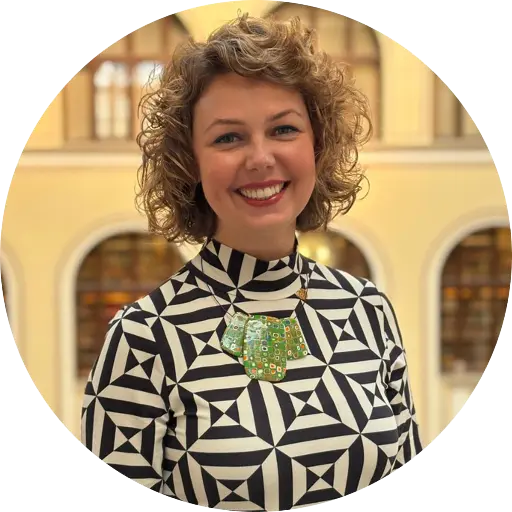 |
Dr. Demeter-Karászi ZsuzsannaHead of Institutional Culture Group Senior lecturer – University of Debrecen, Faculty of Humanities, Institute of Educational Studies and Cultural Management Dr. Zsuzsanna Demeter-Karászi is an assistant lecturer at the Institute of Education and Cultural Studies at the University of Debrecen, a member of the Center for Higher Educational Research and Development (CHERD-Hungary)at the University of Debrecen, and the managing editor of the journal Central European Journal of Educational Research(CEJER). She obtained her PhD in Education in 2024 within the Doctoral Program on Educational Sciences at the University of Debrecen. Her main research areas include the role of churches in higher education, the recruitment, academic success, and institutional integration of individuals belonging to religious minorities, as well as the institutional culture of higher education institutions across different sectors. As a member of the MTA-DE-Parent-Teacher Cooperation Research Group operating within the framework of the Research Programme for Public Education Development of the Hungarian Academy of Sciences, she examined the issue of parental involvement in a cross-sectoral comparison. She intends to expand her research focus to include the topic of future orientation, within which she investigates how different institutional cultures and institutions across various sectors influence students’ future orientation |
|
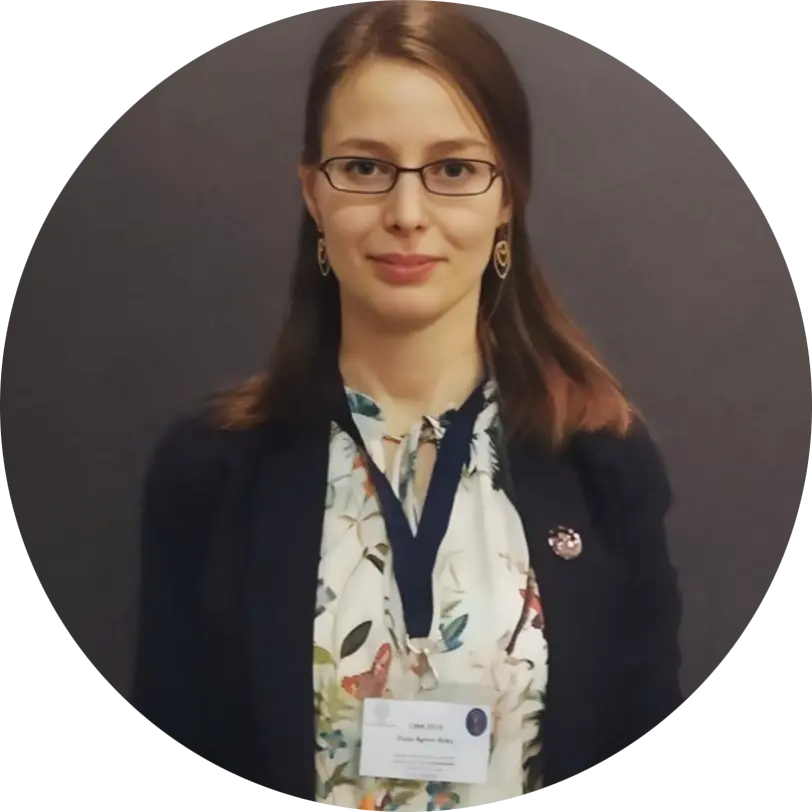 |
Dr. Dusa Ágnes RékaResearch Analyst – KINCS Mária Kopp Institute for Demography and Families Ágnes Réka Dusa graduated as a sociologist from the University of Debrecen (2011) and received her doctorate in the Doctoral Program in Educational Science and Cultural Management (2018). Her research focused on the internationalization of higher education institutions, specifically exploring the reasons why students participate in or opt out of international student mobility programs. As part of the doctoral program, she regularly teaches quantitative methodology to Hungarian and international PhD students. Within the MTA-DE Future Awarenesss Development Research Group, she analyses the future-oriented impact of arts education, as well as the quality of institutional culture and inter- and intragenerational relationships in terms of future awareness, with a particular focus on social isolation. Contact: dusa.agnes@arts.unideb.hu Scopus |
|
 |
Dr. habil Fényes HajnalkaImpact Analysis Group Leader Associate Professor – University of Debrecen, Faculty of Arts, Institute of Political Science and Sociology, Department of Sociology and Social Policy She graduated as an economist and sociologist in 1991, obtained her PhD in sociology in 2001, and completed her habilitation thesis in educational sciences in 2010. Since 2002, she has been working at the Department of Sociology and Social Policy at the University of Debrecen, currently as an associate professor. She also participates in the work of UD Doctoral School of Humanities as a supervisor and lecturer and has been working with members of the Center for Higher Educational Research and Development (CHERD-Hungary) as a senior researcher since 2002. Her research topics lie at the intersection of sociology and educational science, with university students as her target group. Her research topics include the social mobility of higher education students, differences between men and women in education, and students' voluntary and paid work. As part of the MTA-DE-Parent-Teacher Cooperation Research Group, she examined the differences between mothers' and fathers' involvement in school, published articles together with students, and conducted an impact assessment of one of the developments of the research group (a board game). She has several Scopus publications and citations on her works, and currently an active member of the MTA-DE Development of Future Consciousness Research Group. Contact: fenyes.zsuzsanna@arts.unideb.hu Scopus |
|
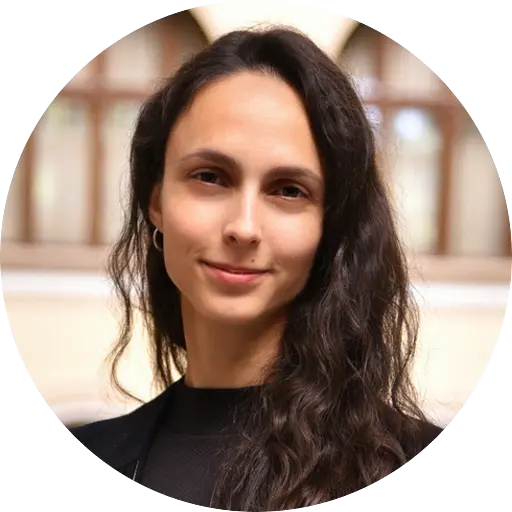 |
Dr. Hrabéczy AnettAssistant Lecturer – University of Debrecen, Faculty of Humanities, Institute of Educational Studies and Cultural Management Anett Hrabéczy earned her master’s degree in educational sciences in 2019 and she defended her doctoral dissertation in 2026 at the University of Debrecen’s Doctoral Program on Educational Sciences. She is a member of the editorial boards of the Central European Journal of Educational Research (CEJER) and the Hungarian Educational Research Journal (HERJ), and has been a member of the Center for Higher Educational Research and Development (CHERD-Hungary) since her master’s studies in educational sciences. In 2021, she joined the Neurotech EU program and participated in the work of the WP6 “Understanding Societal Challenges” subgroup. She was also a member of the MTA-DE-Parent-Teacher Cooperation Research Group, where she studied the involvement of parents raising children with special educational needs in school life. Her research focuses on the situation of students with special educational needs in higher education and the labor market. She began exploring this field during her master’s studies and won first place at the 34th National Student Research Conference with her thesis on the topic. In 2020, as part of a scholarship from the New National Excellence Program, she conducted research among graduates with disabilities. Her supervisor is Prof. Dr. Gabriella Pusztai. Contact: hrabéczy.anett@arts.unideb.hu Scopus |
|
 |
Dr. Kocsis ZsófiaHead of Development and Implementation Module Senior lecturer – University of Debrecen, Faculty of Humanities, Institute of Educational Studies and Cultural Management Zsófia Kocsis works as an assistant lecturer at the Institute of Educational Studies and Cultural Management at the University of Debrecen and she is a researcher at the Center for Higher Educational Research and Development (CHERD-Hungary). She graduated as a teacher from the University of Nyíregyháza in 2015 and then received her master's degree in education from the University of Debrecen in 2017. In 2023, she earned a doctorate in education at the university's Doctoral Program on Educational Sciences. In 2015, she won first place in the national teaching competition "Learn and Teach Better!" In 2017, she was placed first at the National Scientific Student Conference, and her professional work was recognized with the Dean's Commendation "Faculty of Humanities Student Certificate of Recognition" (2019). She has won the Republic Scholarship, the Universitas Scholarship (2021, 2023, 2025), and the New National Excellence Program grant (2016, 2018, 2019, 2022) on several occasions. In 2020, she also received the Szent-Györgyi Young Investigator Award. In 2024, she won the Bolyai János Research Scholarship, the MTA Youth International Conference Participation Grant, and received the Doctoral Dissertation of the Year award. She was the research coordinator of the MTA-DE-Parent-Teacher Cooperation Research Group between 2021 and 2025, as well as the leader of two working groups. As a research mentor, she participates in several talent development programs. Her research focuses on student employment and the relationship between work and academic performance. In recent years, she has also extended her research and teaching activities to the use of board games in higher education. She led the creation of two board games she developed (K.Ö.SZ.I., Study hard, work hard!), which aim to develop students' competencies and expand their knowledge on a given topic. Since 2017, she has given presentations at more than 70 domestic and international conferences. She has a total of 130 publications, including 45 journal articles, 2 of which are Q1, 8 are Q2, 5 are Q3, and 1 is Q4. She has 193 independent citations and a Hirsch index of 6. Contact: kocsis.zsofia@arts.unideb.hu Scopus |
|
 |
Dr. habil Kovács Karolina EszterSenior lecturer – University of Debrecen, Faculty of Humanities, Institute of Psychology Psychologist, technical translator, sports psychodiagnostician. Member of the Young Researchers Academy (FKA) of the Hungarian Academy of Sciences and coordinator of the Equal Opportunities in Science Committee, as well as member of the Hungarian Educational Research Association (HERA), the Hungarian Psychological Association (MPT) and senior researcher at the Center for Higher Educational Research and Development (CHERD-Hungary). Her research focuses primarily on sports persistence and health awareness among young people as non-academic outcomes, examining various pedagogical and psychological factors, with a particular emphasis on sports. Within the framework of this project, she is also involved in exploring the role of sports and health as investments that will pay off in the future. Within the MTA-DE-Parent-Teacher Cooperation Research Group, she has studied the characteristics of parental involvement in school sports programs and school programs focusing on children with special educational needs, as well as the nature of parent-teacher cooperation among students who have special educational needs. Contact: kovacs.karolina@arts.unideb.hu Orcid |
|
 |
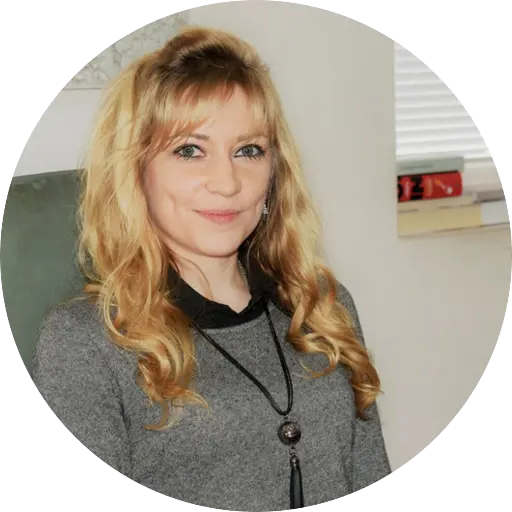
Dr. habil Kovács-Nagy KláraHead of International Comparative Module Associate Professor – University of Debrecen, Faculty of Humanities, Institute of Educational Science and Cultural Management She is a habilitated associate professor at the University of Debrecen and a senior researcher at the Center for Higher Educational Research and Development (CHERD-Hungary). She graduated with a degree in sociology at the University of Debrecen in 2010, obtained a PhD in education from the university's Doctoral Program on Educational Sciences in 2014, and was habilitated there in 2020. She is currently the deputy director, supervisor, and lecturer of the doctoral program. Her research focuses on the social, institutional, and individual factors that determine the sporting habits of students in the Carpathian Basin, as well as the impact of sports on well-being, health behavior, and academic performance. As a research leader, she coordinated the Central and Eastern European Teachers in Higher Education 2023 (CEETHE 2023) research project at University of Debrecen from 2023. This research examines the working conditions, workplace stress and resources, well-being and performance of university teachers in five Central and Eastern European countries. In 2016 and 2023, she was awarded the MTA Bolyai János Research Grant, received the Visegrad Fund Mobility Grant twice, the MTA Youth International Conference Participation Grant, and received the MTA Academic Book Publishing Grant and the GTIDEA Publication Award. In 2025, she received the OTDK70 Badge for her outstanding work in talent management. Since 2024, she has been the co-coordinator of the European Sociological Association's Rn28 Society and Sports network, and in 2023, she organized and chaired the Network conference at the University of Debrecen. In 2024, she was the secretary of the XXIV. National Conference on Educational Science organized at the University of Debrecen. The conference was made possible thanks to the Mecenatúra 2024 grant she received. She has a total of 211 publications, 14 of which are Q1-Q2 (2 D1). She has 1046 independent citations. She has presented her research results at a total of 35 international conferences. Contact: kovacs.klara@arts.unideb.hu Scopus |
|
 |
Dr. Pallay KatalinHead of the Future Prospects in the Carpathian Basin Group Associate Professor – II. Ferenc Rákóczi Hungarian University of Transcarpathia Department of Pedagogy, Psychology, Teaching, Preschool Education, Education and Institutional Management She obtained her PhD degree from the Doctoral Program on Educational Sciences and Cultural Management at the University of Debrecen in 2022. Her main areas of research include student mobility, the education of national minorities, academic performance, the social integration of mobile students, and the assessment of the competencies of Hungarian students in Transcarpathia. In the MTA-DE-Parent-Teacher Cooperation Research Group, she examined various dimensions of parental involvement, primarily among students in Transcarpathia, and collected and systematized international best practices, with a particular focus on effective forms of school-family cooperation, contributing to the research group's publication on this topic. Her findings provide a basis for examining how future consciousness can be developed through pedagogical tools, especially among minority students. Since 2016, she has been a researcher at the Center for Higher Educational Research and Development (CHERD-Hungary) at the University of Debrecen. She is an associate professor at the Department of Pedagogy, Psychology, Teaching, Preschool Education, Education and Institutional Management at the II. Rákóczi Ferenc Hungarian University of Transcarpathia, and head of the Lehoczky Tivadar Social Science Research Center. Contact: pallay.katalin@kmf.org.ua Scopus
|
|
 |
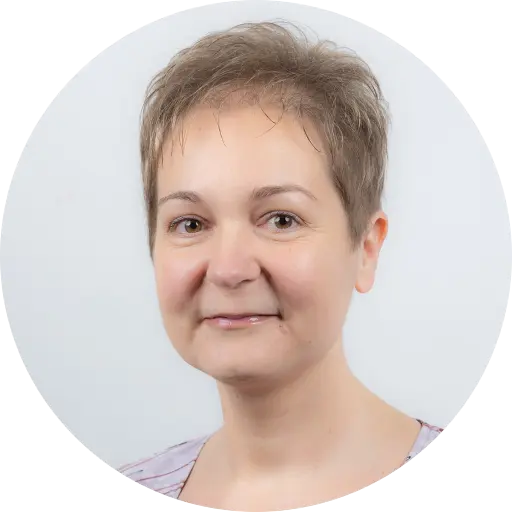
Dr. Markos ValériaResearch Analyst – KINCS Mária Kopp Institute for Demography and Families Her research focuses on examining the experience of high school students with community service, as well as the volunteer work and civic engagement of college students. In the MTA-DE-Parent-Teacher Cooperation Research Group, she examined volunteering as a form of parental involvement and, cultural differences in the context of parental involvement, based on the results of the PISA survey. Within the MTA-DE Development of Future Consciousness Research Group, she examines how volunteering and civic engagement contribute to the development of a more conscious future prospect. Contact: markos.valeria@arts.unideb.hu Scopus |
|
 |
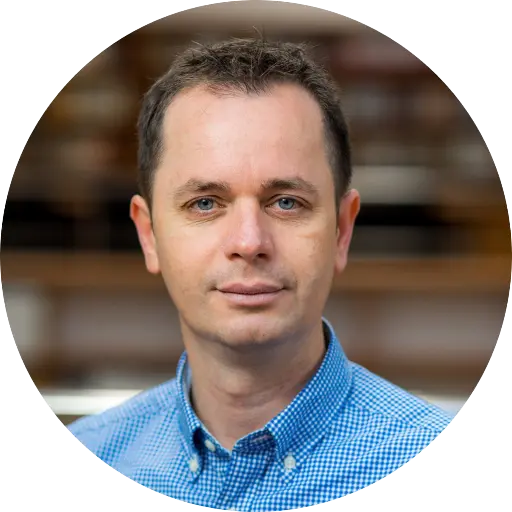
Dr. habil Szűcs TímeaAssistant Professor – University of Debrecen, Faculty of Humanities, Institute of Educational Studies and Cultural Management. She graduated as a teacher of geography and music and as a landscape conservation geographer. She is an assistant professor at the Institute of Educational Studies and Cultural management at the University of Debrecen. Her research focuses on musical education, examining how learning music affects students' efficiency and performance, and how this depends on their socio-economic background. She is currently conducting research on institutions that are successful in music education and fostering talent among disadvantaged students. As part of the research conducted by the MTA-DE-Parent-Teacher Cooperation Research Group, she has carried out a systematic literature review on the various forms of the relationship between arts education and parental involvement. In addition, she has participated in exploring the possibilities and difficulties of cooperation between teachers and parents of students with special educational needs. Currently, as part of the work of the MTA-DE Development of Future Consciousness Research Group, she is examining the role of arts-based education in the future and social mobility of children from disadvantaged backgrounds. Contact: szucs.timea@arts.unideb.hu Scopus |
|
 |
Dr. Tódor ImreAssistant Professor – Sapientia Hungarian University of Transylvania, Teacher Training Institute He completed his higher education in Rome, studying theology and then philosophy at the Pontificia Università Gregoriana. After completing his master's degree in applied philosophy, he went on to pursue doctoral studies. He obtained his PhD in philosophy in 2014 from the Doctoral School of Philosophy at Babeș-Bolyai University in Cluj-Napoca, and he defended his doctoral thesis in education at the Doctoral Program on Educational Sciences at the University of Debrecen in 2019. Since 2017, he has been an assistant professor at the Sapientia EMTE Teacher Training Institute, and since 2008, he has been a teacher at the Márton Áron High School in Miercurea Ciuc. His research topics in education focus on public education (high school choice, denominational education). As a member of the MTA-DE-Parent-Teacher Cooperation Research Group, he coordinated the Transylvanian (Romania) sub-sample of a questionnaire survey conducted among parents and prepared analyses based on it, particularly on the topics of parental volunteering and parental participation in school decision-making. Within the MTA-DE Development of Future Consciousness Research Group, his research focuses on the pedagogical prerequisites and future-oriented dimensions of school decision-making processes. Contact: todorimre@uni.sapientia.ro ResearchGate |
Lead and Senior researchers
Last update:
2026. 09. 27. 11:48